
3D
Visualization.
Automated 3D pipelines for brands with big catalogues batch renders, product configurators and AR assets generated at the scale of thousands of SKUs.
Overview
Model once.
Render forever.
When you sell hundreds of variants, manual rendering breaks down. We build parametric 3D assets and automated pipelines that generate consistent imagery for every colour, size and configuration on schedule, without a human touching each frame.
The same assets power web configurators and AR previews, and plug into your PIM or e-commerce platform through clean APIs so new SKUs render themselves.
- +
Model once, render forever. New variants reuse the master asset automatically.
- +
Consistent by design. Same light, same angle, same crop — across the catalogue.
- +
Built to integrate. Pipelines that talk to your PIM, ERP and storefront.
What you receive
Everything, organised and ready to use.
- Pipeline designThe automation blueprint: inputs, rules, outputs, schedule.SPEC
- Parametric assetsMaster 3D models rigged for variants and options.3D KIT
- Batch renderingAutomated still generation across all SKUs.×1 000s
- Web configuratorReal-time 3D product configuration in the browser.WEBGL
- AR formatsUSDZ and GLB exports for iOS and Android previews.USDZ · GLB
- Docs & handoverDocumentation and training for your team.HANDOVER
Process
Four steps from brief to delivery.
-

Map
Catalogue audit: what varies, what's shared, what to automate first.
-

Build
Master assets and material libraries created parametrically.
-

Automate
The render pipeline runs, checked SKU by SKU.
-

Integrate
APIs, exports and documentation handed to your team.
Recent work
A few from the archive.
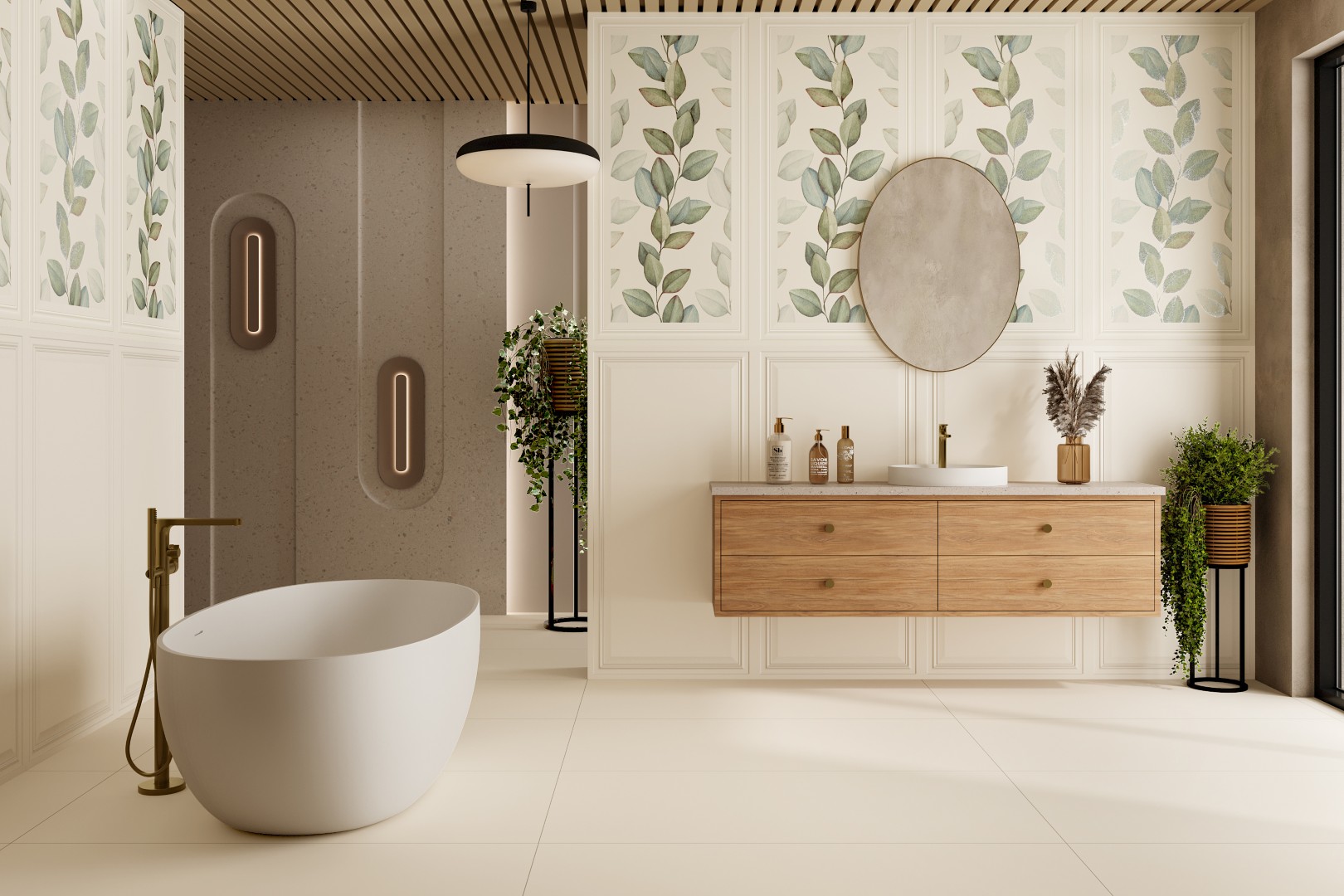
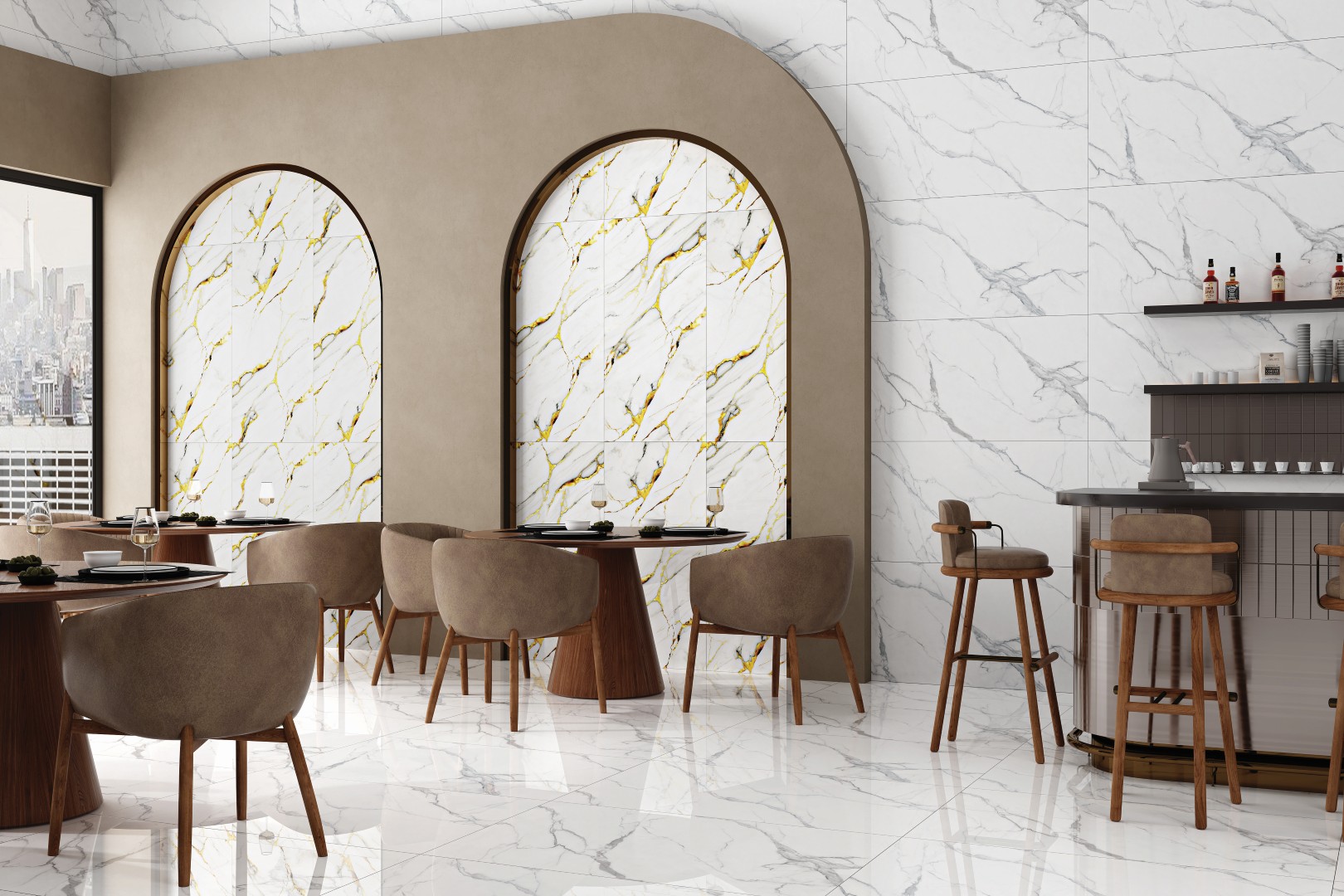

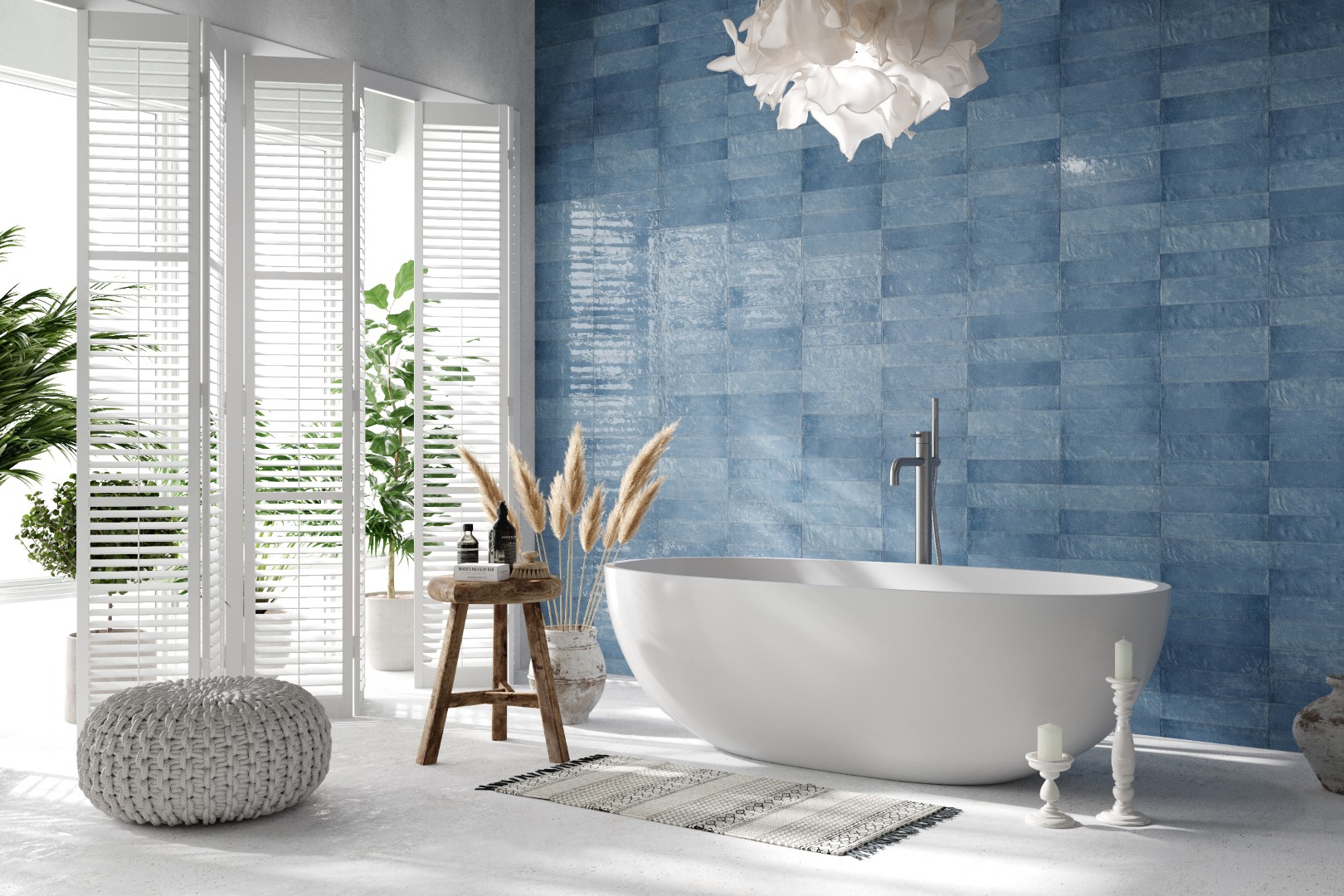
FAQ
Good questions, straight answers.
More from 3D Visualization